It was a little cloudy but warm. Fifty-four degrees in February was a good start to the day. Towns all over Tennessee were still celebrating the return of her sons from far off battlefields, and welcoming more home every day. However that morning in Columbia, the escalating tension in the air was so heavy Hannah Peppers could feel it stifling her as she walked up to the jailhouse. Anger hung thick and groups of white men were huddled together feeding each others fury. They had seen the fight in the street, jeered as the Stephensons were hauled off to jail. Hannah had come from Happy Hollow as soon as she heard her daughter, Gladys, and her grandson, James, had been arrested. James had only been home from war a few days. The joy of having him home safe had now turned to fear, because he was not safe at home. Gladys and James had left Hannah’s house in Happy Hollow that morning to pick up a radio Gladys had left for repair at a shop on the public square, a seemingly simple errand.
Inside the jail, Hannah wasn’t allowed to see Gladys and James privately. The sheriff wouldn’t allow it. He would only let her “look through to see them,” to make sure they were ok. Hannah was told they could be released if bond could be made. She left the jail hopeless. She didn’t have money to make the bond. In the street, she overheard two White men fuming “we are going to take them two Stephenson niggers out of jail and hang’em.” Hannah knew what she had to do, knew who could help and she headed to Mink Slide and the Blair Drug Store. She had no time to spare. She had to beat the lynching mob that was forming, even as she walked.
Julius Blair had seen a lot in his life. He was born in the height of Reconstruction and as he grew he quickly learned the skills necessary to survive and thrive as a black man in the suffocating nature of Jim Crow. As a young man, he was a business minded shoe shiner who learned how to be a barber from his grandfather, eventually owning his own barbershop. From there, his holdings grew to include a drug store and a pool hall. Julius had experienced excessive police attention to the customers in his businesses as well as to his neighbors and friends. He saw one lynching after another. When Hannah Peppers entered his store that day to plead with him for help, he must have realized the enormity of the situation. He knew pushing back against the system would have dire consequences for his livelihood. He could have said no, but he didn’t. He chose to bail the Stephensons out of jail because he “didn’t think the jail a safe place and because [he] didn’t want to see any more social lynchings in Columbia.”
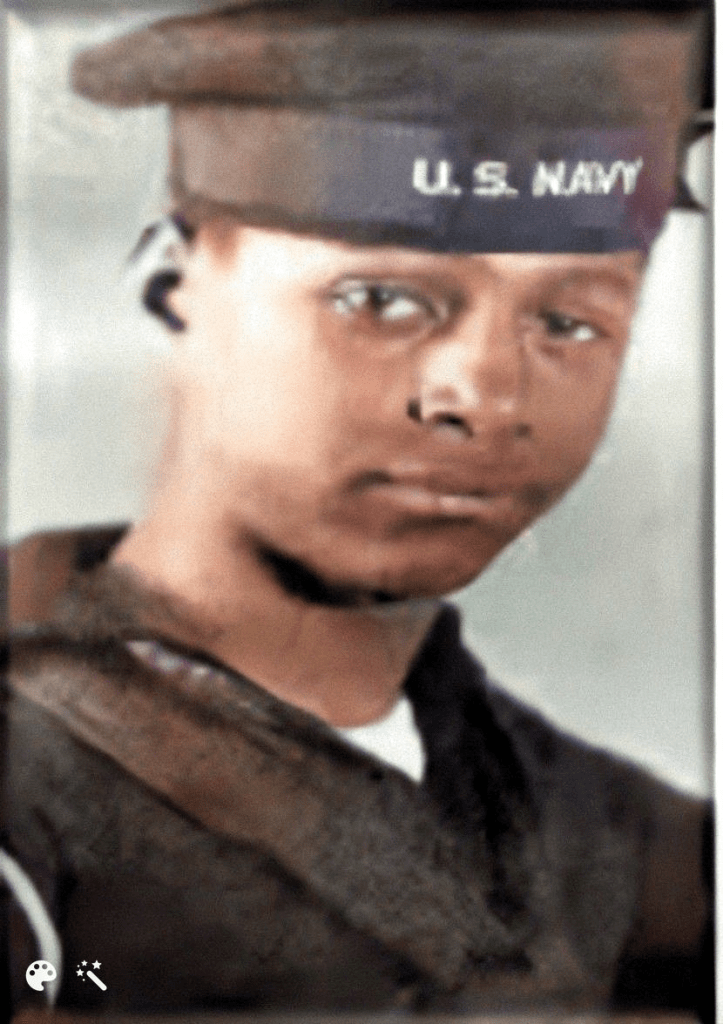
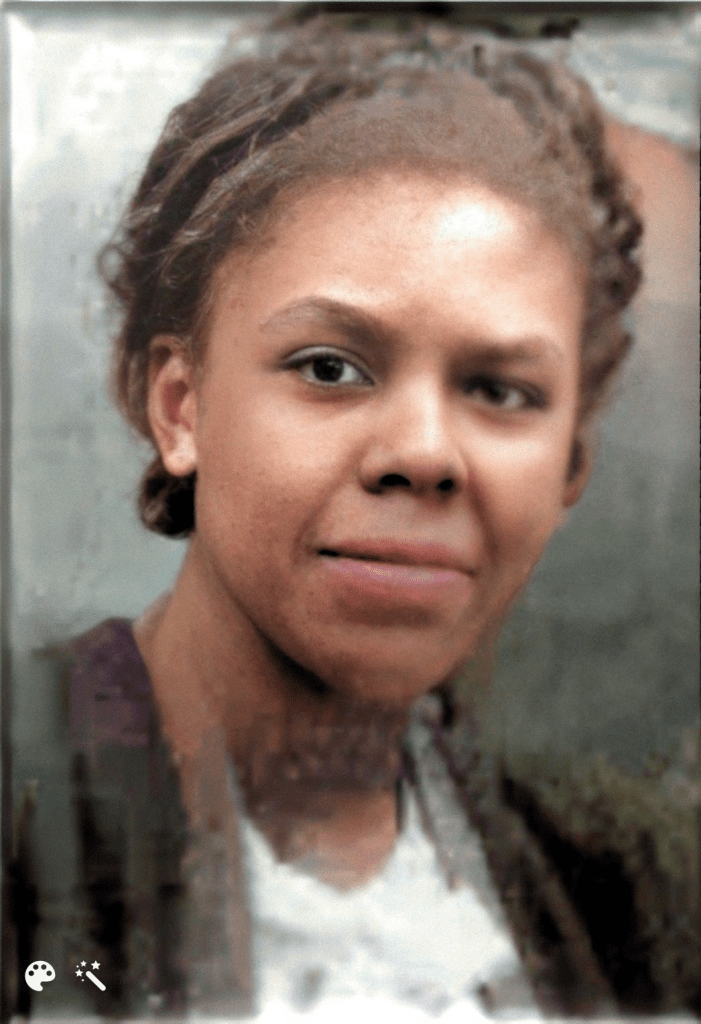
As Blair drove his car around the square he noticed dozens of white men with guns gathering. When he went into the courthouse to bond them out, the bond was raised. The bond kept being raised, the magistrate wanted the Stephensons left in jail. Blair was unable get the Stephensons released on bail till between 4:40 and 5PM. Blair’s son, Saul, and Popeye Bellanfant immediately started to Nashville with James to put him on a train to Chicago. Cordie Cheek’s 1933 lynching had taught them that Nashville wasn’t safe. After he was acquitted of rape, a vicious group of Maury County men had tracked Cordie to the Fisk campus where he was being hidden and brought him back and hung him. They needed to get James on a fast moving train out of Tennessee. A bruised Gladys was taken back to her mother’s house in Happy Hollow, where they were certain she would be safe. As a mother, I can’t help but think it was something she insisted on. “Get my boy out of town, and take me back to my babies.” It’s what I would do.
Within a couple of hours a mob showed up at the Columbia jail demanding they be given James Stephenson. The sheriff had to break it to them James had been bailed out. The fervor grew. The white men wanted to punish James for daring to put his hands on a white man. There was a status quo in society that could not be upended.
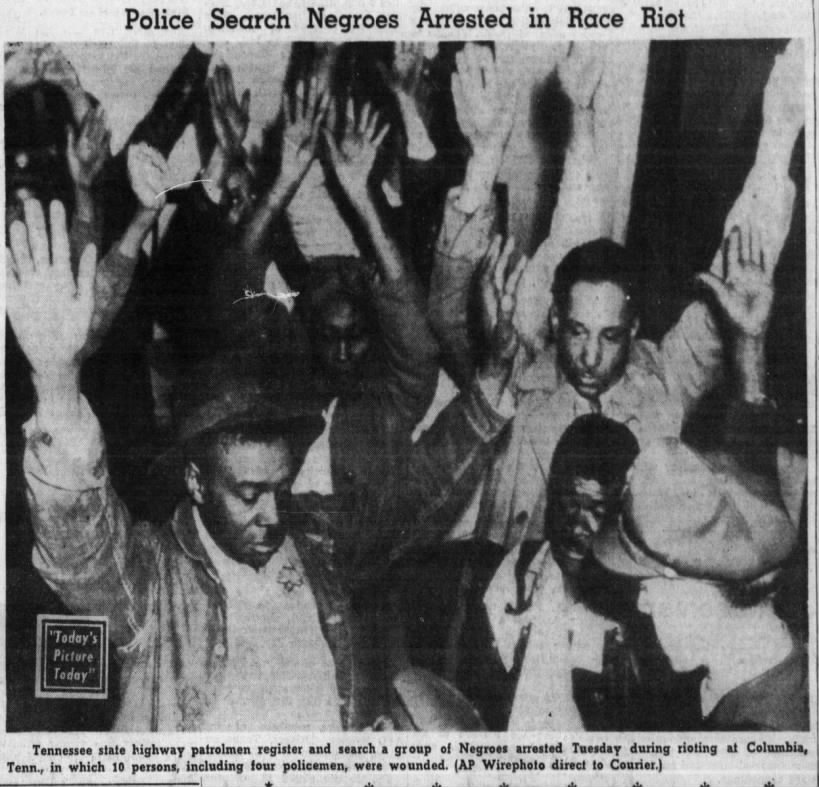
The black men decided they were sick of it. They decided they weren’t going to take it anymore. Many of them were returning soldiers, they had fought for freedom from oppression. They were not going to take their own oppression lying down. So black men started to filter into Mink Slide, the black business district. They brought weapons and they closed themselves up in the homes and stores along 8th Avenue. All the while they could hear the fervor of the white citizens on the surrounding streets. They could hear drunken yells and gunshots. They vowed to hold their ground. When darkness fell they shot out the street lights. The gunshots were noticed by the local police who came to investigate.
Bernard Stofel was one of the policemen who entered a darkened Mink Slide that night. Later in life he said that in those days when arresting someone “if they resisted, you kicked the hell out of them.” Bernard and another police officer were hit by gunshots coming from one of the buildings. It was unknown that the intruders on the street were police officers, but the shots were a message. Leave. The police retreated, but the local government overreacted and devastation ensued.
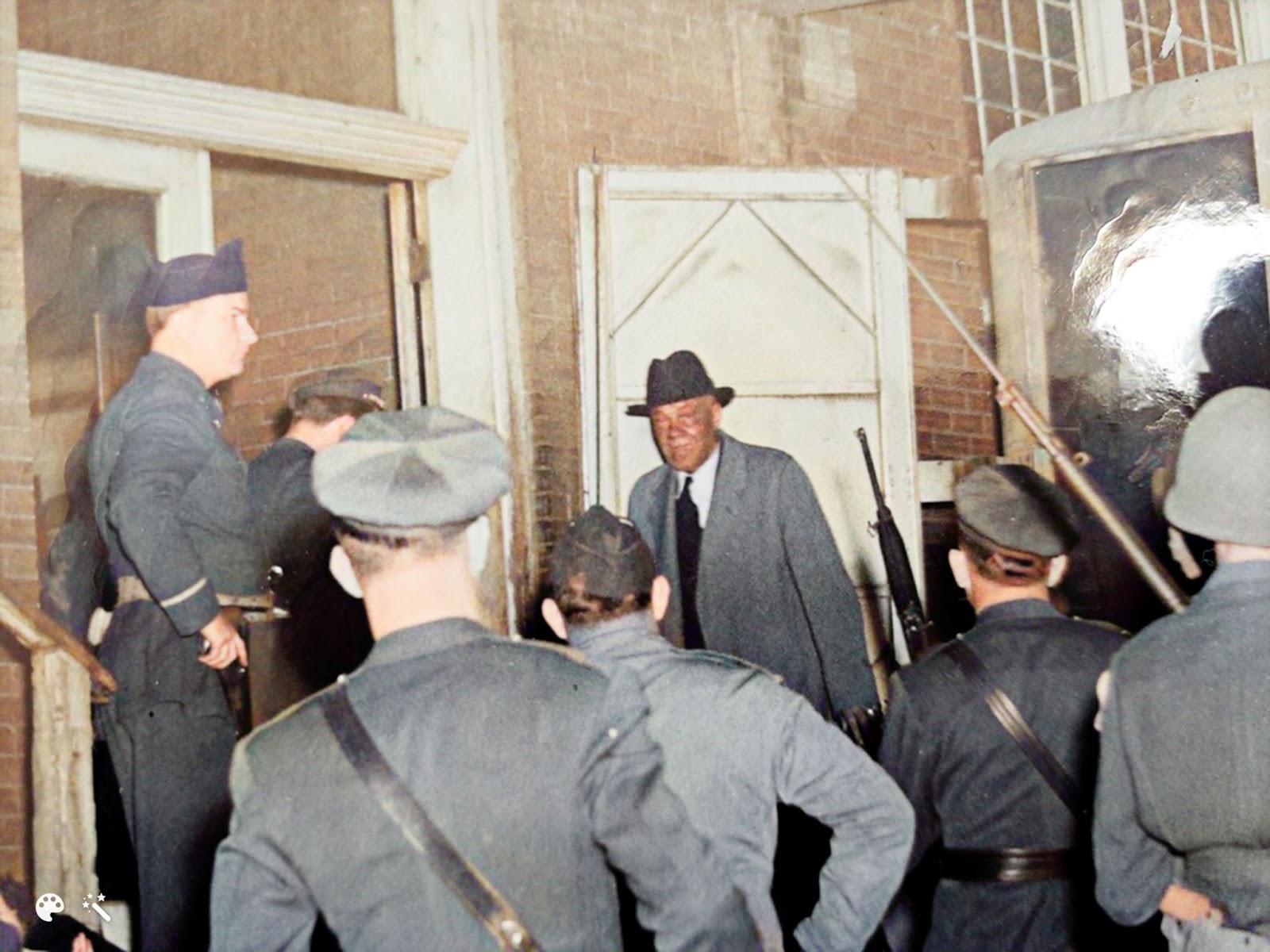
The sheriff called the mayor who called the Governor who sent the National Guard. These citizen soldiers are who we depend on to protect and help in times of crisis. They are supposed to quell disruption and reestablish peace and safety. That night in Columbia they decided to “fight fire with fire”. They shot their weapons into homes. Families were forced to hide their children and their grandparents at the back of the buildings, praying they were safe. Black men, who were not resisting arrest, were pulled onto the street and beat. Over 100 men and women were arrested. About a quarter of those were later unjustly indicted for assault with an attempt to commit murder.
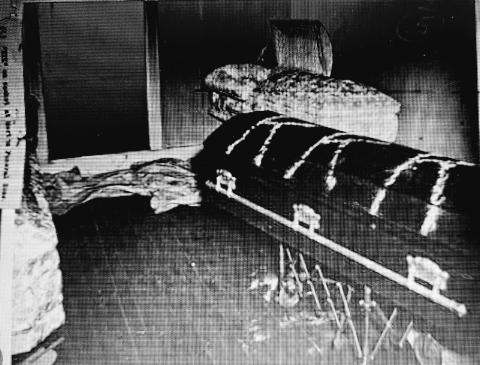
Black owned businesses were viciously and violently looted: windows, mirrors and glass cases shattered, doors knocked in, furniture destroyed and upended, money stolen. The doctors office was hit, all his instruments and files taken or destroyed. The same thing happened at Morton’s Funeral Home, a guard wrote “KKK” on the top of a coffin.
Sol Blair’s barbershop and Julius Blair’s businesses took particular damage. .. “The barber shop was shot into and completely wrecked after the State Patrol had entered and had the situation under control. The four barber chairs were completely cut up and destroyed, bug mirrors shot up, all electric clippers were taken out and the premises completely destroyed.” Black businesses, like the Blairs’, in Mink Slide were so damaged they never fully recovered.
Innocent people were terrorized for defending their community. These were not people committing crimes. These were people standing up for injustice. People who were pulling together to protect themselves and their loved ones. People fighting against oppression. It’s what we had just won a war to establish: Oppression was wrong. Let’s be clear, the black community in Columbia did not go looking for this fight. It was set on their doorstep. But they did not back down.
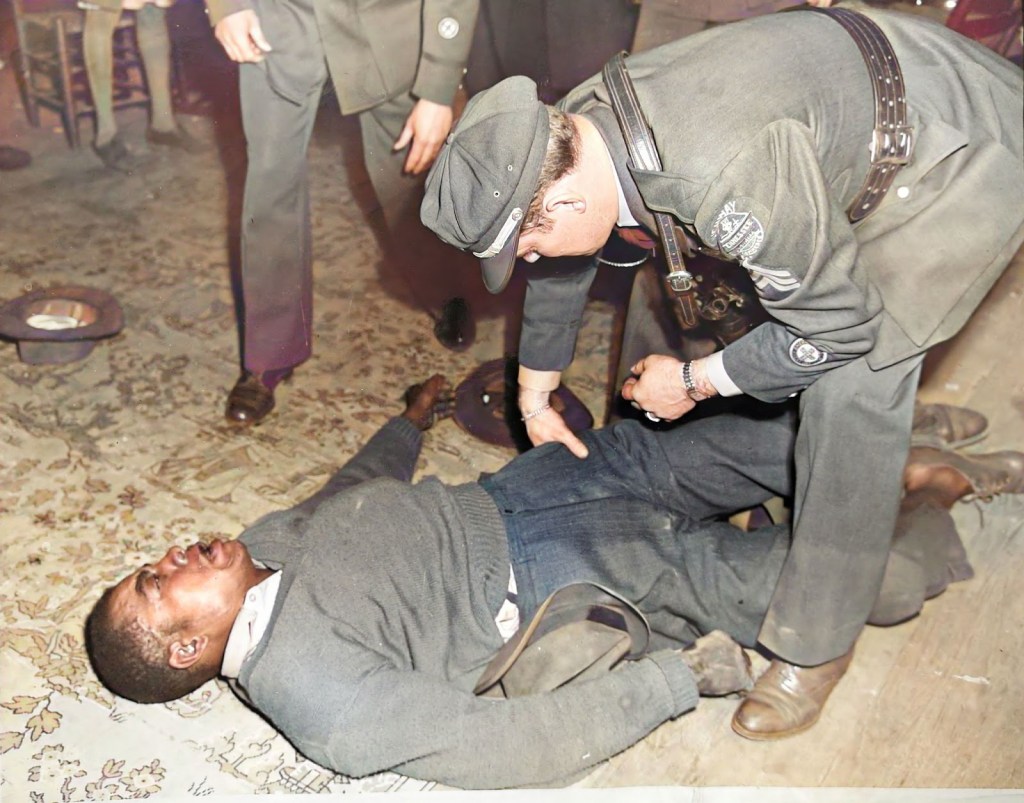
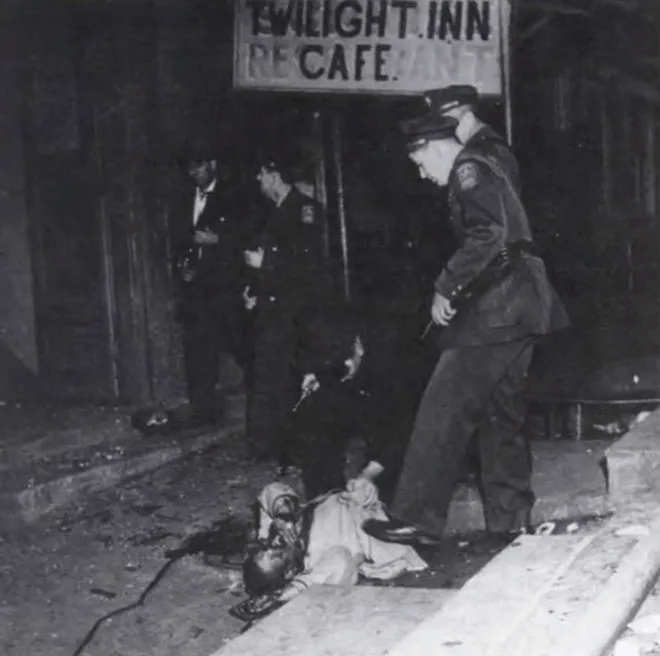
This post took me a long time to write because it was so hard to emotionally disconnect enough to tell the story. Even writing this, I had to stop, because it was just…too much. Up to this point when I have been writing about race, or slavery or war I am doing it through the lens of 160 years. It’s not just my job, I truly love and am personally impacted by the human stories that I feel make our American narrative come to life. Writing about 1946 and race was different. The images overwhelmed me. The photo of the officer with his foot on a bloodied black man lying in the street, I looked at it and all I could think was there is someone alive today, probably someone my age, who called that officer papaw. All of these police officers and state patrol and guardsmen, they all became papaws and people loved them. The thought of that makes my stomach churn. How, how do you see humanity in their actions? How can you not see evil? Is it even possible to separate the papaw from the officer kicking a wounded black man while he is down? These are questions I can’t answer. But they made my heart ache. This is where hope and fear converge. You hope that officer changed. You hope that by the time he was a papaw, he regretted his actions and taught his grandchildren to do better. But you fear those officers did nothing more than perpetuate the next generation of hate.
Hannah Peppers and Julius Blair were not spring chickens. They had already experienced a lifetime of oppression, injustice and fear. They had raised families with an expectation of this being their reality. Age brings many things, among those is wisdom. Hannah was a widowed mother and grandmother trying to save her family. Julius was a husband, a father and successful businessman. He was seventy-five years old and he knew. It’s time. There would be no more social lynchings.
To learn more about the 1946 Columbia Race Riot, this video is excellent! https://www.youtube.com/watch?v=qeCjvqFKxMo&t=547s
 Finding Josie
Such a powerful piece. Great job!!
LikeLike
This was a very difficult read! The pictures are haunting! Thank you for delving into this very emotional history; hard to digest, difficult to comprehend, yet so necessary!
LikeLiked by 1 person
Kristi,
I grew up in Columbia Tennessee and never heard anything about this. This is horrible, and it’s evil that the truth has been suppressed. Thank you again for revealing the truth.
Bill
Sent from my iPhone 15 Pro
LikeLike